QUICK ANSWER: Maalaea sits between two volcanoes where strong winds funnel across the isthmus and out over the bay, pushing fine sand and salt spray into every gap in a home. That grit settles into sliding door and window tracks, where it mixes with salty moisture and turns into a gritty paste. Over time it grinds down rollers, corrodes steel bearings, and wears grooves into aluminum tracks until the door drags, jumps the track, or will not lock. The fix is a deep track cleaning, replacing worn rollers with corrosion resistant ones, adjusting the door height, repairing damaged track sections, and keeping a simple rinse and dry lubricant routine so the grit never builds up again.
You grab the handle of the lanai slider and pull. Nothing. You pull harder, and the door lurches a few inches with a grinding noise that sounds like it is rolling over gravel. The bedroom window is no better: it takes both hands and a little prayer to slide it open, and once it is open, it does not want to close all the way. If you live in Maalaea, this is a familiar fight. The same winds that make the harbor famous are packing your tracks with sand and salt every single day.
Sticking sliders are not just annoying. A door that is hard to open can be a door that is hard to lock, and grit left in place quietly destroys rollers and tracks. The good news is that most sliding door and window problems in Maalaea come from the same cause, and they respond to the same set of fixes.
Why Maalaea Is So Hard on Sliding Doors and Windows
Maalaea sits on the south side of the central valley that connects the two halves of Maui. The trade winds funnel through that gap between Haleakala and the West Maui Mountains and rush out over Maalaea Bay, which is why the harbor has a reputation as one of the windiest spots on the island. Many homes here are oceanfront condos and residences with large sliding lanai doors that face straight into that wind.
Wind Carries Sand Directly Into Your Tracks
Strong, steady wind lifts fine sand from the beach and the surrounding dry land and pushes it horizontally against the building. Sliding doors and windows have gaps along the bottom track and the weatherstripping, and that sand works its way in every time the door is opened or the wind gusts.
Salt Spray Adds Moisture And Corrosion
The same wind carries salt from the bay. Salt draws moisture from the air and binds the sand into a damp, gritty paste inside the track. That paste is abrasive, and it is also corrosive to metal rollers, screws, and track hardware.
Large Glass Panels Mean Heavy Doors
Oceanfront lanai sliders are often large, heavy glass panels. The heavier the door, the more pressure sits on each roller, and the faster grit grinds them down.
Doors Get Used Constantly
In a home built for indoor outdoor living, the lanai slider might open and close dozens of times a day. Every cycle drags the rollers over whatever is sitting in the track.
What Is Actually Happening Inside the Track
When a slider starts to stick, the problem is usually one or more of these.
Packed Debris In The Track
Sand, salt, dirt, and even small bits of leaves pack into the bottom track channel. Rollers ride up on that debris instead of the smooth rail, which causes drag, rough movement, and grinding noises.
Worn Or Corroded Rollers
Sliding doors and windows ride on small wheels set into the bottom of the panel. Many are made with plain steel bearings or soft plastic wheels. Grit wears the wheels flat or out of round, and salt rusts the bearings until they no longer spin. A seized roller does not roll at all, it skids, which makes the door feel like it is dragging across concrete.
A Damaged Track Rail
When a seized roller skids along an aluminum track for months, it can wear a groove or flatten the raised rail the roller rides on. Dents from furniture or dropped items can do the same. A damaged rail makes even a new roller bump and catch.
A Door Sitting Too Low
As rollers wear down, the door drops closer to the track. The bottom of the panel may begin to scrape the frame, and the lock may no longer line up with the latch on the jamb.
Dried Out Or Torn Weatherstripping
Sun and salt break down the weatherstripping and pile seals along the edges. Once they fail, more sand and wind blown rain get into the track, speeding up the whole cycle.
Signs Your Slider Needs More Than a Quick Wipe
Some sticking is a simple cleaning job. These signs point to wear that needs repair.
Grinding Or Crunching Sounds
This usually means grit is in the rollers themselves, or the bearings are corroded.
The Door Jumps Or Rides Unevenly
A door that bumps along or lifts off the track as you slide it often has a flat roller or a damaged rail.
The Lock Will Not Line Up
If you have to lift or push the door to get the latch to catch, the rollers have likely worn and the door has dropped.
Visible Rust Or White Powder Near The Bottom Of The Panel
Rust on the roller housings or chalky buildup on the aluminum track shows corrosion is setting in.
Daylight Or Sand Along The Edges When Closed
Gaps along the weatherstripping let more grit in and mean the seals need replacement.
TIP: Keep a stiff nylon brush and a small handheld vacuum near your lanai door. After a windy day in Maalaea, a quick pass to clear the bottom track takes under a minute and keeps sand from grinding into the rollers before it has time to pack in with salt.
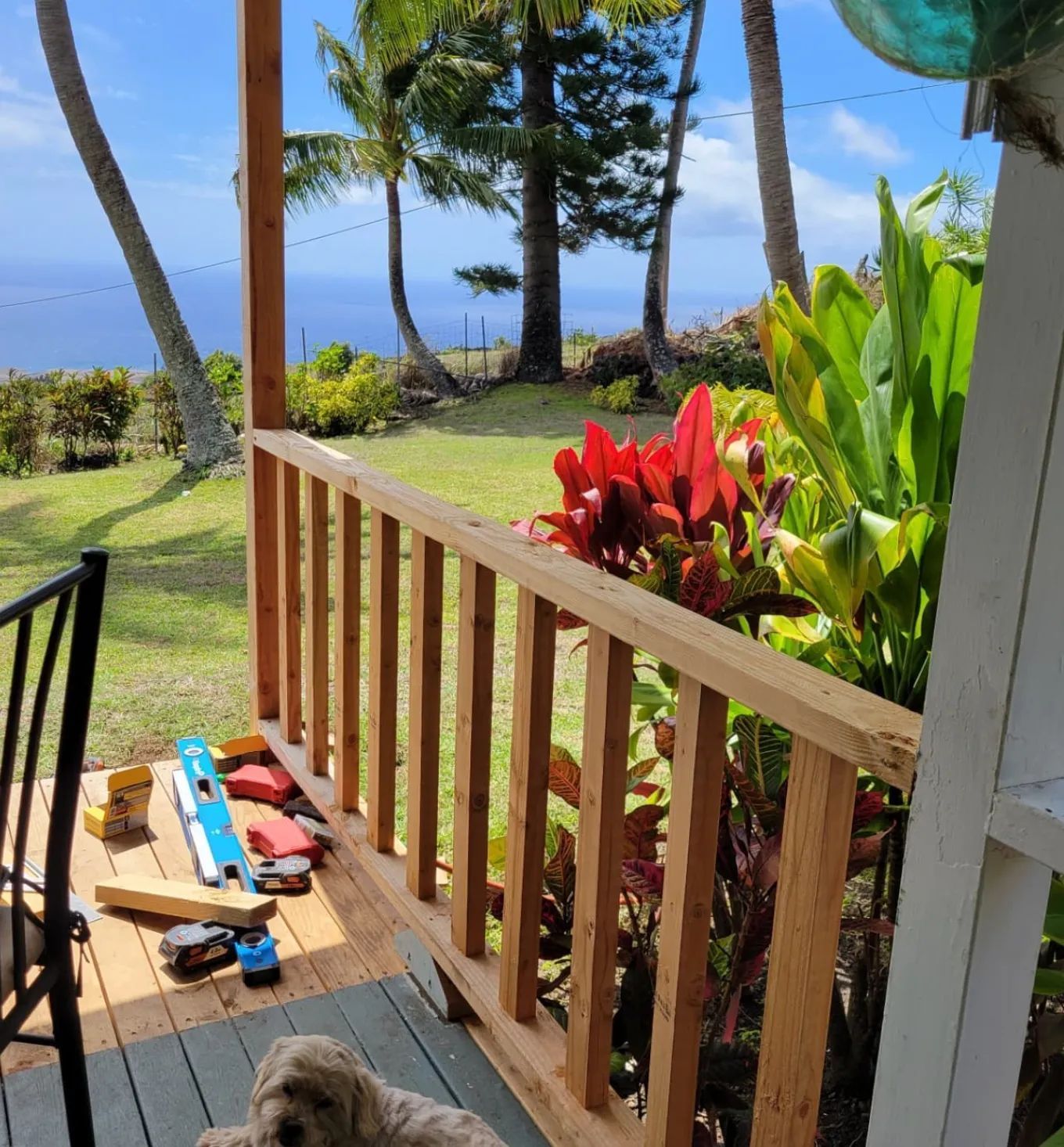
TIP: If your deck sits open toward the northeast, check the windward-facing hardware and railing joints first. That's typically where a wind-driven rain pattern shows up before the rest of the deck shows any sign of trouble.
How a Sticking Slider Gets Fixed
Here is how we typically approach sliding door and window repairs in a windy, salty location like Maalaea.
Deep Clean The Track
We vacuum out loose debris, then scrub the track channel to break up the salt and sand paste. Weep holes, the small drainage slots at the bottom of the frame, are cleared so water and grit can drain instead of pooling. A clean track alone often makes a noticeable difference.
Inspect And Replace The Rollers
We lift the panel out of the frame and check each roller. Rollers that are flat, cracked, or seized get replaced. In a coastal home, we choose rollers with stainless steel bearings and durable wheels built to handle salt exposure, matched to the door's weight and the track profile.
Adjust The Door Height
Most sliders have adjustment screws that raise or lower the panel on its rollers. Once new rollers are in place, we adjust the door so it rides level, clears the frame, and lines up with the latch.
Repair Or Cover A Damaged Rail
If the track rail is worn or dented, it can sometimes be straightened or reshaped. When the damage is too far gone, a snap on track cover or replacement rail gives the rollers a smooth surface again.
Service The Latch And Lock
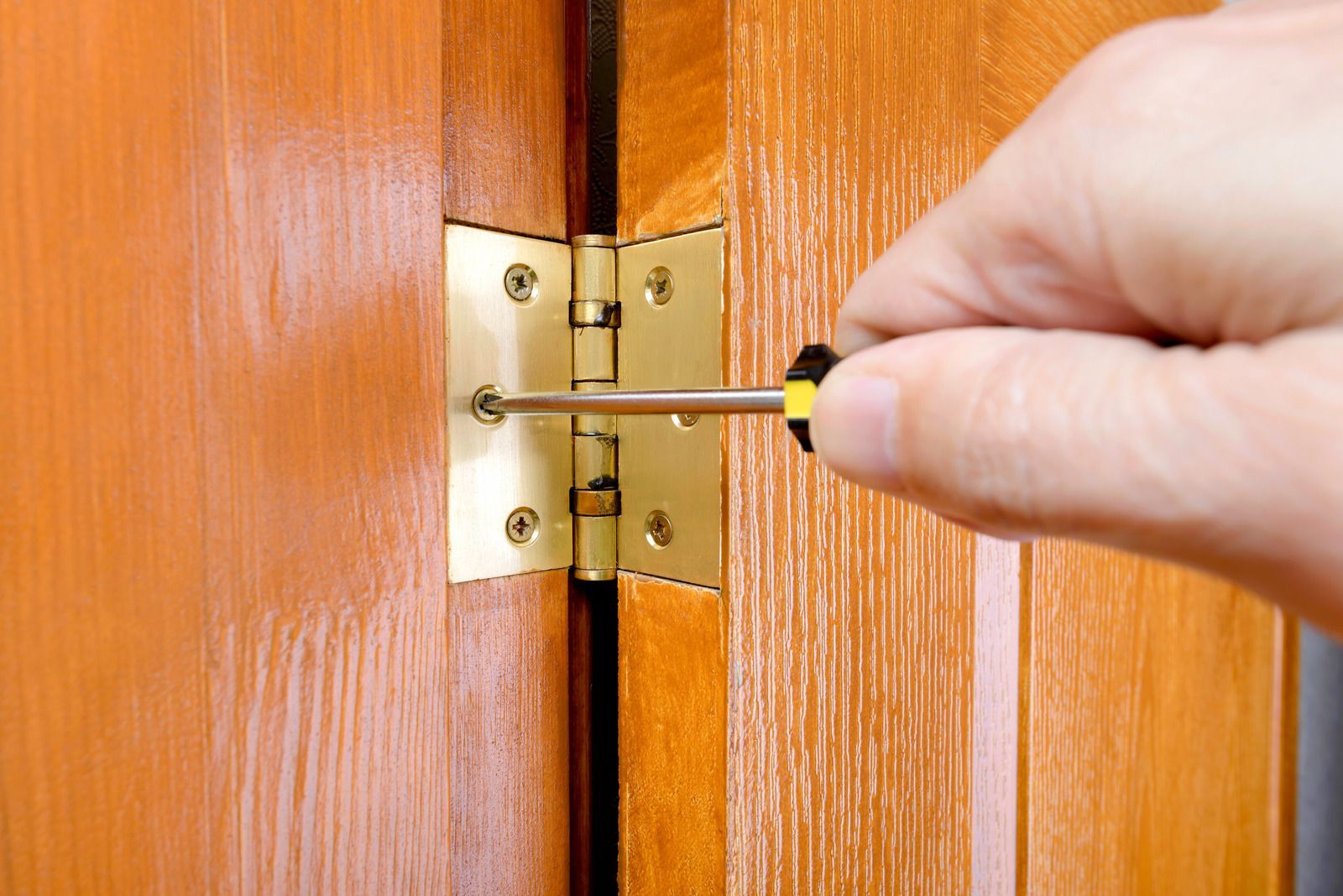
Salt corrodes lock mechanisms too. We clean and lubricate the latch, tighten or replace corroded screws, and adjust the strike so the door locks without force.
Replace The Weatherstripping
New pile seals and weatherstripping block more sand and wind blown rain from reaching the track, which keeps the repair working longer.
WARNING: Never force a sliding door that is stuck or riding off its track. Large glass lanai panels are heavy, and a door that jumps its track can fall out of the frame. If the door will not move smoothly or is tilting, stop using it and have the rollers and track checked before someone gets hurt.
Keeping Tracks Clear in a Windy, Salty Location
Repairs last much longer with a little regular care. This routine is built for the conditions in Maalaea.
Vacuum The Tracks Weekly
In a windy location, sand builds up quickly. A weekly vacuum keeps it from mixing with salt and packing down.
Rinse And Dry Monthly
Wipe the tracks with a damp cloth or a light rinse of fresh water to dissolve salt, then dry them thoroughly.
Use A Dry Lubricant, Not Grease
Oily lubricants and grease attract sand and turn into grinding paste. A dry silicone spray or a dry PTFE lubricant reduces friction without collecting grit.
Check The Weep Holes
Make sure the drainage slots at the bottom of the frame stay clear so water and debris can escape.
Close Sliders During Strong Wind
On the gustiest days, keeping doors and windows closed reduces the amount of sand blown into the tracks.
Schedule An Annual Roller Check
Even with good care, rollers wear in a coastal home. An annual inspection catches flat or corroded rollers before they damage the track.
Frequently Asked Questions
Why does my sliding door stick more in Maalaea than in other places I have lived?
Strong, steady wind funnels across the isthmus between the two halves of Maui, blowing fine sand and salt spray into the tracks. There it packs down and grinds the rollers.
Can I fix a sticking slider just by cleaning the track?
Sometimes. If the rollers are still good, a deep cleaning and dry lubricant can restore smooth movement. If the door still drags, grinds, or sits low afterward, the rollers need replacing.
What kind of lubricant should I use on sliding door tracks?
Use a dry silicone or dry PTFE lubricant. Grease, oil, and wet sprays attract sand and turn into an abrasive paste, especially in a windy spot like Maalaea.
How often should sliding door rollers be replaced?
It depends on door weight, daily use, and sand and salt exposure. Oceanfront Maalaea homes may need new rollers every few years, and stainless steel bearings help them last longer.
Is a worn track a reason to replace the whole door?
Not usually. Many worn or dented tracks can be repaired or covered with a replacement rail. Full door replacement is typically needed only when the frame itself is badly corroded or damaged.
Do sliding windows need the same care as sliding doors?
Yes. Sliding windows use the same track and roller system on a smaller scale, so they collect the same sand and salt and benefit from the same vacuuming, rinsing, and dry lubrication.
Keeping Maalaea Sliders Gliding With Little Effort
Living with the Maalaea wind means living with sand and salt that never stop looking for a way in, and sliding doors and windows sit on the front line. Clean tracks, rollers built for coastal exposure, a properly adjusted panel, and a few minutes of weekly care let those sliders glide open to the ocean view again. Small habits like vacuuming grit and using dry lubricant prevent most sticking. Steady attention keeps the repair working far longer.
One Handy Haole
has repaired sliding doors and windows in Maalaea, HI for 20
years, and every job begins with understanding how wind blown sand and salt wear on rollers and tracks. Cleaning packed channels, fitting corrosion resistant rollers, and setting each panel level so it locks cleanly gives owners doors that move the way they should. With that groundwork in place, the lanai opens easily, the breeze flows through the home, and daily life feels relaxed again.