QUICK ANSWER: Professional cabinet installation involves marking stud locations, hanging wall cabinets from a corner outward, leveling and shimming each box until it sits plumb and square, then setting base cabinets on adjustable legs before doors and drawers get their final alignment. In Haiku, plywood cabinet boxes hold up far better than particleboard, since the town's average relative humidity runs close to 73 percent year round and climbs into the high 70s during the wetter winter months. A basic cabinet replacement in an existing layout usually takes a few days to two weeks, while a full remodel with plumbing and electrical changes takes longer.
Open a base cabinet in an older Haiku home and you can often guess within seconds whether it was built for the North Shore or simply shipped over without much thought. Particleboard shelves sag under the weight of stacked dishes. Hinge screws have worked loose as the surrounding wood swelled and shrank with the seasons. Drawer boxes stick during the wetter months and rattle loose during the drier ones. None of that comes down to age alone. It comes down to materials and installation methods that were never matched to a town that sits on the wetter, windward side.
Haiku's agricultural roots are still visible in its old plantation buildings and the farms that surround the town, and a lot of the housing stock reflects that same era. One Handy Haole
has spent 20 years working inside homes across Haiku and cabinet installation is one of the jobs where getting it right the first time matters more than almost anywhere else in a remodel. Cabinets carry weight, take daily impact, and have to keep working through humidity swings that most mainland installers never plan for. This article walks through what the process actually involves, what to expect from the timeline, and how to tell whether your kitchen needs new cabinets or simply needs the old ones reset and refaced.
What Cabinet Installation Actually Involves
Cabinet installation is carpentry, not decoration. We begin by marking every cabinet location on the wall along with the stud lines the boxes will be screwed into, since fasteners driven into drywall alone will eventually fail under load. Wall cabinets go up first, starting in a corner and working outward, with each new box clamped and aligned to the one before it so the entire run reads as one continuous surface rather than a row of separate boxes. Base cabinets follow, resting on adjustable leveling legs that let us compensate for a floor that is rarely as flat as it looks, especially in Haiku's older plantation-style homes.
Once every box is set, the work shifts to fine adjustment. Doors and drawer fronts get hung with adjustable hardware so the gaps between them stay even from top to bottom, hinges get tuned so nothing binds or sags, and any small gaps between adjoining cabinets get closed with filler strips for a finished look. Skipping this stage is usually what separates cabinets that look installed from cabinets that look built in.
Choosing Between Stock, Semi-Custom, and Custom Cabinets
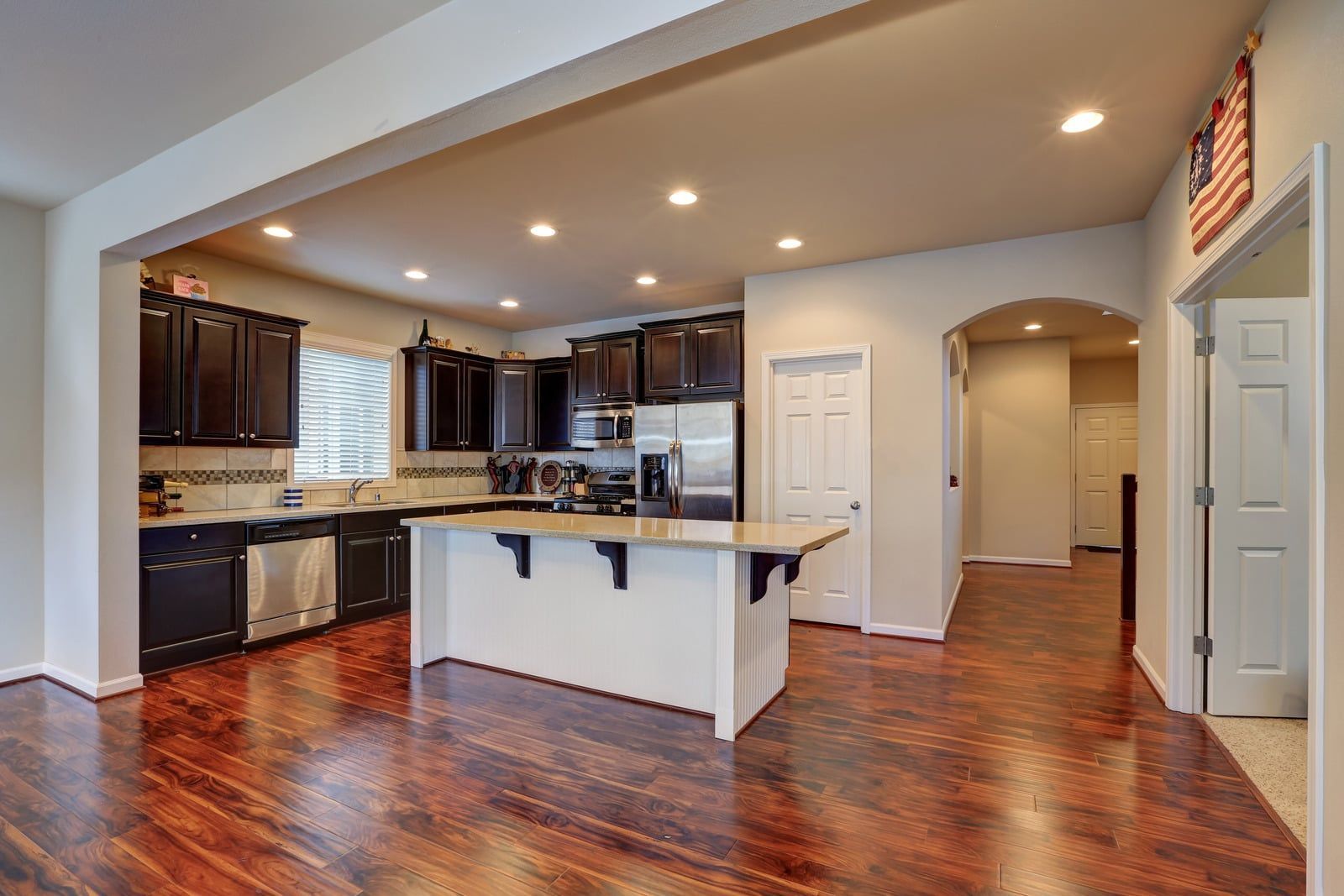
Cabinets generally come in three tiers, and each fits a different kind of kitchen. Stock cabinets arrive pre-built in standard sizes and are the fastest to source, which works well when the layout is simple and the goal is a clean, functional update. Semi-custom cabinets open up more choice in size, door style, and finish, and cover most of the kitchens we work on, since they let us fit an island layout without the longer lead time custom work requires. Fully custom cabinetry is built to the exact dimensions of the room, which matters most in older Haiku homes with an unusual footprint, a sloped ceiling, or a corner that stock sizing simply cannot fill cleanly.
Picking the right tier comes down to the kitchen itself more than personal preference. A galley kitchen with standard wall heights rarely needs anything custom, while a kitchen built into a converted plantation-era structure or an odd angle often does. We walk the space with you and point out where stock sizing will work fine and where the layout genuinely calls for something built to spec, rather than defaulting to the most expensive option out of habit.
Signs Your Cabinets Need Replacing vs. Refacing
Not every dated kitchen needs a full cabinet replacement. If the boxes themselves are still square, dry, and structurally sound, and only the doors, drawer fronts, and finish look tired, refacing is usually the smarter move. Refacing keeps the existing cabinet boxes in place and simply replaces the visible surfaces, which means far less disruption to the rest of the kitchen during the project.
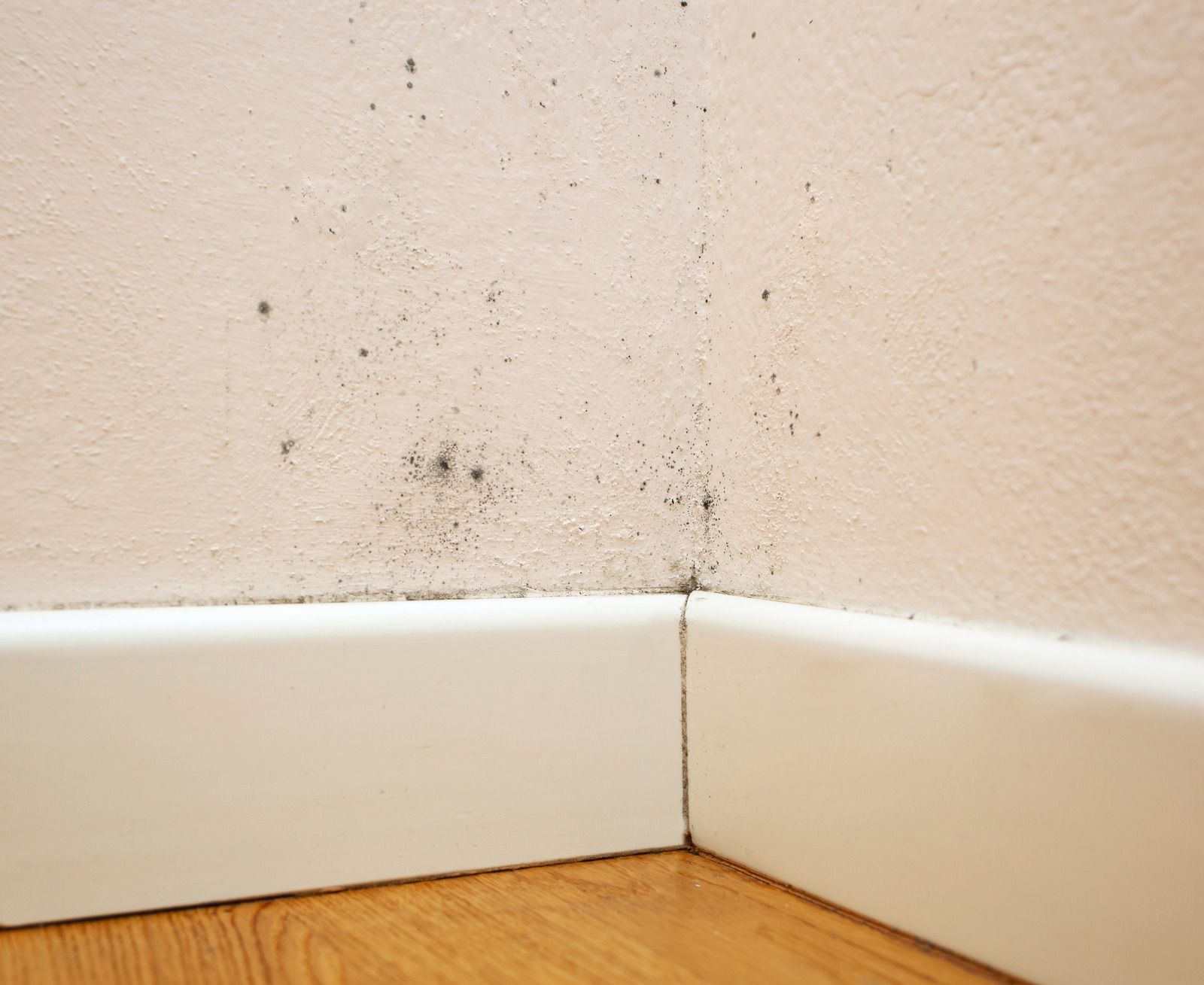
Full replacement makes more sense once the boxes themselves have failed. Watch for shelves sagging under normal weight, particleboard that has swollen or gone soft near the sink or dishwasher, hinges that no longer hold screws, or a layout that simply does not work for how the kitchen gets used today. Older Haiku homes with original plantation-era cabinetry often show all four at once. A short visit is usually enough for us to tell you honestly which category your kitchen falls into.
Our Cabinet Installation Process
Every installation we run follows the same sequence, adjusted for the specific kitchen:
Layout And Stud Marking
We measure the space, mark every stud, and confirm the plan accounts for sink, dishwasher, range, and refrigerator openings before a single screw goes in.
Wall Cabinets First
Starting from a corner, each wall cabinet gets hung, leveled, and fastened directly into the studs, then clamped to its neighbor so the whole run stays aligned.
Base Cabinets And Leveling
Base units go in on adjustable legs, shimmed as needed to compensate for floors that are almost never perfectly flat, especially in Haiku's older homes.
Doors, Drawers, And Hardware
Every door and drawer front gets adjusted for even gaps and smooth operation, and hardware gets set last so nothing shifts during the heavier work.
Final Walkthrough
We check plumb, level, and square on every box, close any gaps with filler pieces, and walk the finished kitchen with you before calling the job done.
TIP: If you plan to keep cooking during the project, tell us up front. We can often sequence base and wall cabinets on opposite sides of the kitchen so you keep partial use of a sink or counter through most of the install rather than losing the whole room at once.
WARNING: Cabinets fastened only into drywall, without hitting the studs behind it, will eventually pull loose under the weight of dishes, cookware, and daily use. This is one of the most common problems we find when we are called in to fix a previous installation, and it is not something that can be patched with more screws in the same weak spots.
How Cabinet Installation Fits Into a Larger Kitchen Remodel
Cabinets rarely get replaced in isolation. New countertops usually follow cabinet installation, since the boxes need to be set and level before a countertop template can be taken, and a tile backsplash typically comes after both. If the plan includes a kitchen island, that build gets sequenced alongside the cabinet run so storage, seating, and prep space work together instead of competing for the same footprint. Lighting and flooring updates round out most full remodels, and we coordinate all of it under one schedule so the kitchen goes through one disruption instead of several.
Frequently Asked Questions
How long does cabinet installation take in Haiku?
A basic cabinet replacement typically takes a few days to two weeks. Full remodels involving plumbing, electrical work, islands, or layout changes take longer depending on project scope and material availability.
Is plywood or particleboard better for a Haiku kitchen?
Plywood is generally better for Haiku kitchens because it handles humidity and moisture cycles more effectively. Its stronger construction helps reduce swelling, warping, and loosening around screws and hardware.
Can I install new cabinets without a full remodel?
Yes. New cabinets can be installed separately from countertops, flooring, or backsplash work. This allows you to update the kitchen in stages while planning future improvements around the completed cabinet layout.
What is the difference between refacing and replacing cabinets?
Refacing keeps the existing cabinet boxes while replacing doors, drawer fronts, and finishes. Replacement removes the old boxes entirely, making it better when cabinets are damaged, swollen, structurally weak, or poorly suited to your layout.
Do you install cabinets outside of Haiku?
Yes. One Handy Haole serves Haiku and other Maui communities, including Makawao, Kahului, Wailuku, Kihei, Kula, Paia, Pukalani, Wailea, Hana, and surrounding areas, with scheduling based on project needs and travel requirements.
How disruptive is cabinet installation to daily life?
Disruption depends on the project size. A small cabinet update may leave much of the kitchen usable, while a complete replacement can limit kitchen access for several days during installation and adjustments.
What Quality Cabinet Installation Means in Haiku Homes
A well-installed kitchen should feel solid, level, and easy to use every day, even when the weather outside is damp. In Haiku, choosing moisture-resistant materials and allowing for the character of an older home can make a meaningful difference in how long the cabinets stay functional and attractive. Proper fastening, careful leveling, and precise door and drawer adjustments help prevent small installation issues from becoming ongoing frustrations.
For homeowners planning a cabinet update, One Handy Haole
brings 20
years of experience to cabinet installation throughout Haiku, Hawaii. That experience helps account for the details that matter in local homes, from uneven floors and unusual layouts to the humidity that can affect cabinet materials and hardware. Whether the project involves a straightforward replacement or a more involved kitchen renovation, careful installation provides a stronger foundation for everything that follows.