The cabinet door under your kitchen sink has hung crooked for a month. The bathroom faucet drips loud enough at night to hear from the hallway. A patch of drywall near the lanai has started to feel soft when you press on it. None of it is an emergency. All of it nags at you. So you end up standing in the hardware aisle on a Saturday morning, wondering whether to buy the part and handle it yourself or just pick up the phone.
Here is the short version before anything else. Most small repairs are safe to do on your own when the problem is visible, contained, and does not involve water inside a wall, live wiring, or anything holding weight. The moment a repair hides behind a surface or carries a real safety risk, that is the point where bringing in a professional saves you money and a second headache. After two decades of crawling under sinks and opening up walls across this island, we can tell you the deciding factor is rarely skill. It is knowing what you are actually looking at.
Start by Asking Three Questions
Before you touch anything, run through three quick checks. These sort almost every repair into the right hands.
Can you see the whole problem? A wobbly hinge, a torn screen, a dripping aerator. If the entire fault is in front of you, you can usually fix it. If you are guessing at what is behind a wall or under a floor, you are no longer repairing. You are exploring.
Is water, electricity, or weight involved? A leak that wets framing, wiring inside a box, or anything that supports a structure changes the math. These three carry consequences that go well past the original problem.
What happens if your fix does not hold? Reattaching a cabinet pull that fails again is a ten minute redo. A drain repair that fails behind drywall takes the wall with it.
TIP: Take a photo of the problem before you start, then a photo every time you remove a part. On about 1 in 3 stalled DIY jobs we get called to, the holdup is simply not remembering how it went back together. The photos turn a wasted afternoon into a five minute reassembly.
WARNING: Stop immediately if you smell something burning near an outlet or switch, see scorch marks on a faceplate, or feel a tingle when you touch a metal fixture. That is live current finding a path it should not have. Shut off the breaker and call a professional. This is the one category where a confident guess can put you in the hospital.
Repairs You Can Handle Yourself
Most everyday repairs are well within reach with an afternoon and a basic tool kit. A running toilet is usually a worn flapper, a 15 minute swap with no tools beyond your hands. A dripping faucet is often a tired cartridge or a clogged aerator. Squeaky or sagging cabinet doors come down to a loose hinge screw or a stripped hole, which a wood toothpick and glue will reset.
Caulking around a tub, patching a small drywall ding, replacing a torn lanai screen, swapping cabinet hardware, and tightening a loose towel bar are all honest weekend wins. None of these touch water inside a wall or anything structural.
The local wrinkle is corrosion. Salt air in Paia chews through cheap screws and hinges fast, so a door that sagged once will sag again unless you replace the hardware with stainless. We see plenty of repairs that failed inside a year because the original parts rusted from the inside out.
Repairs Worth Handing Over
Anything hidden, energized, or load bearing belongs with a pro, and the reason is consequence, not difficulty.
A leak that shows up as a soft floor or a brown ceiling stain is almost always moving water you cannot see, and by the time it reaches the surface it has usually been soaking framing for weeks. Wiring inside a junction box, a panel, or a wall is the same story. The visible part looks simple. The risk lives in what you cannot see.
Wood rot and termite damage are a category by themselves on Maui. Both turn solid framing soft, but the repair is completely different, and guessing wrong means you patch over an active problem. When a load bearing post, a deck joist, or a fascia board has gone spongy, that is the moment to stop and have someone open it up properly.
A Quick Read on What You Are Seeing
| What You Are Seeing | Most Likely Cause | Severity | First Step to Take |
|---|---|---|---|
| Faucet drips after shutoff | Worn cartridge or aerator | Low | Replace the cartridge yourself |
| Toilet runs randomly at night | Failed flapper seal | Low | Swap the flapper, no tools needed |
| Cabinet door hangs crooked | Loose or stripped hinge screw | Low | Reset the screw with glue and a toothpick |
| Soft spot in floor near a sink | Slow hidden leak | High | Shut off the supply and call a pro |
| Brown ring spreading on ceiling | Active leak above | High | Catch the water, then call a pro |
| Outlet warm or sparking | Failing wiring or connection | High | Kill the breaker and call a pro |
| Trim or post feels spongy | Wood rot or termites | High | Have it opened and inspected |
| Tile grout cracking in a line | Movement or moisture below | Medium | Probe for soft backing before regrouting |
How a Small Repair Turns Into a Big One
The most common way a quick fix backfires is sealing over moisture instead of finding it. Caulking or painting a stain hides it for a few weeks, then it spreads wider behind the surface. Find where the water is coming from first.
A close second is overtightening. Cranking a connection or screw past snug feels thorough, but it strips threads, cracks fittings, and splits wood. Snug and checked beats tight and broken.
Third is using the wrong fasteners near the coast. Regular steel screws look fine on day one and bleed rust within a season here. Stainless runs a little more upfront and outlasts the cheap option many times over.
Staying Ahead of the Small Stuff
A little rhythm keeps most of these repairs from ever reaching the pro list.
Monthly, walk the wet rooms. Check under sinks for dampness, run a hand around the base of toilets, and look for fresh stains. Catching moisture early is the single highest value habit you have.
Quarterly, test doors and windows for sticking, tighten loose hardware, and refresh cracked caulk. Give exterior wood and any metal near the ocean a closer look, since salt and sun work year round here.
Annually, probe trim, fascia, and deck boards with a screwdriver tip for soft spots, and clear gutters before the heavier winter rains. A board that gives a little now is far easier to handle than a section of framing later.
Frequently Asked Questions
How do I know if a leak is behind the wall?
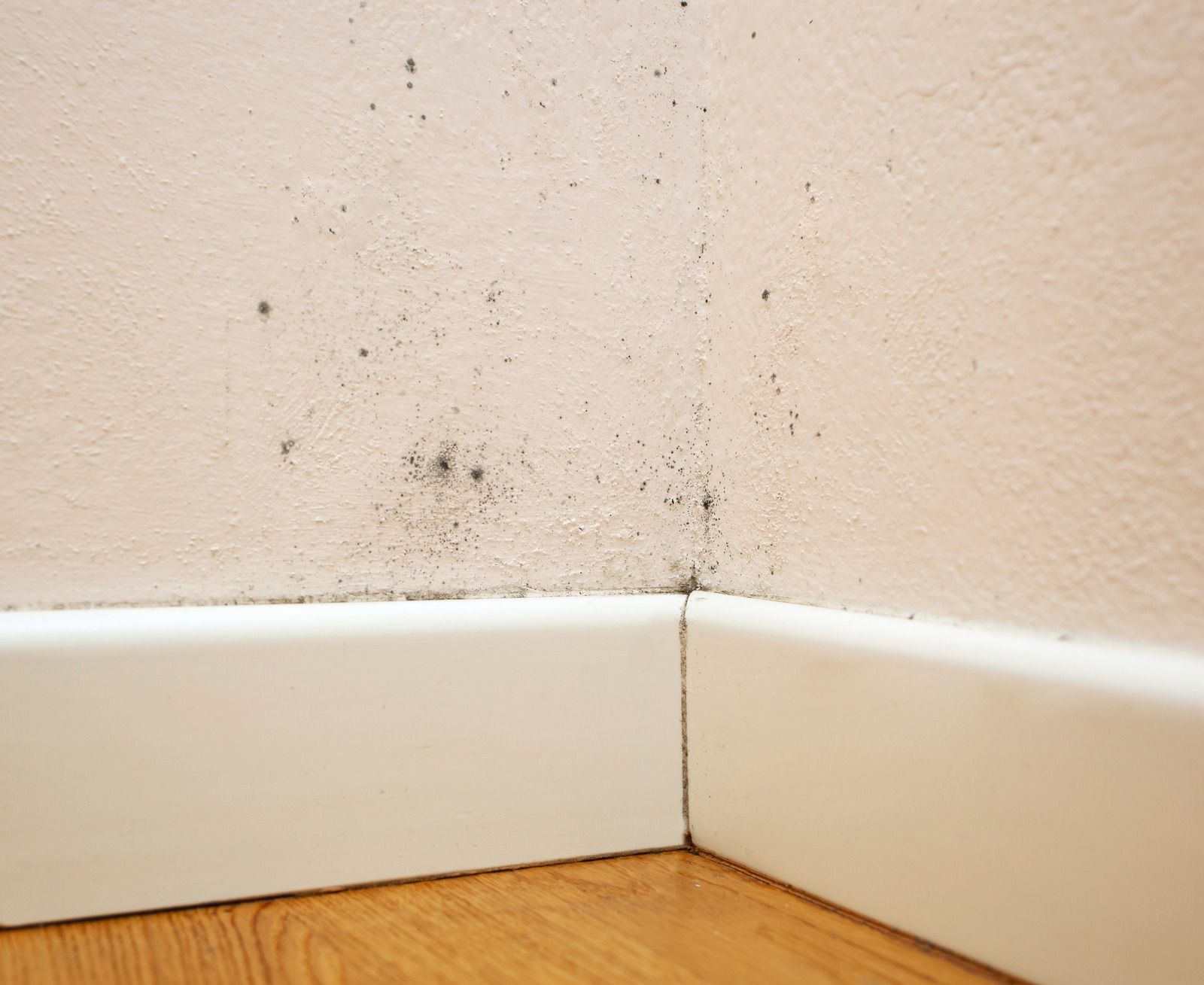
Look for paint that bubbles, a musty smell, a warm or damp wall, or a stain that keeps spreading. Visible water you can wipe is usually fixable. Anything that returns or grows means moisture is moving where you cannot see it.
Is it safe to replace an electrical outlet myself?
Swapping a like for like outlet is reasonable if you shut off the breaker and confirm the wires are dead with a tester first. If you see scorching, melted plastic, or wiring you do not recognize, stop and call a professional instead.
Why do my hinges and screws rust so quickly here?
Salt air near the coast corrodes ordinary steel from the inside, often within a year. The fix is replacing failed parts with stainless rather than matching the original. We see far fewer repeat repairs once standard hardware is swapped for marine grade.
How long should a DIY repair actually last?
A flapper, aerator, or hinge fix should hold for years if you used quality parts. If your repair fails within weeks, the original problem was never the part. Something underneath, usually moisture or movement, is still driving it.
Is spongy wood always termites on Maui?
Not always. Soft wood can be rot from trapped moisture or active drywood termites, and the two need different fixes. Probing with a screwdriver tells you it is damaged, not what caused it, so a closer inspection is worth doing.
Experienced Help for the Repairs Worth Doing Once
The whole decision comes down to one principle: if you can see the entire problem and water, power, and weight are not involved, do it yourself with confidence. Everything else is worth a closer look. When a repair has crossed that line, One Handy Haole
has spent 20
years handling exactly these jobs across Paia, HI. Send us a photo of what you are seeing and we will tell you straight whether it is a weekend fix or one to leave with us.