Walls are more than just structural boundaries; they define the visual integrity, comfort, and safety of a property. Over time, drywall can experience wear and damage due to moisture, structural movement, daily use, or environmental factors. What may initially appear as a minor cosmetic issue can quickly develop into a more serious concern if left unaddressed. Recognizing the early signs of drywall deterioration is essential for maintaining both the appearance and functionality of a space.
In today’s construction and home improvement industry, timely drywall repair or replacement plays a critical role in preserving property value and preventing costly future damage. From subtle cracks to extensive water damage, understanding what to look for allows property owners to take proactive steps. Whether in residential or commercial settings, identifying these warning signs early ensures repairs are handled efficiently and effectively, avoiding disruptions and maintaining long-term durability.
1. Visible Cracks and Structural Shifts
Hairline Cracks vs. Expanding Fractures
One of the most common signs that drywall needs attention is the appearance of cracks in different areas of your walls. Hairline cracks often occur due to natural settling of a building and may seem harmless at first in most situations. However, when these cracks widen, spread across multiple areas, or appear near doors and windows, they may indicate underlying structural movement that should not be ignored.
One of the most common signs that drywall needs attention is the appearance of cracks in different areas of your walls. Hairline cracks often occur due to natural settling of a building and may seem harmless at first in most situations. However, when these cracks widen, spread across multiple areas, or appear near doors and windows, they may indicate underlying structural movement that should not be ignored.
Expanding fractures suggest that the building’s foundation or framing may be shifting over time due to various environmental or structural factors. In such cases, simply patching the surface will not resolve the root issue effectively or permanently. Addressing the structural cause is critical before performing drywall repairs to prevent recurring damage and more serious complications later.
Stress Points Around Openings
Cracks frequently develop around stress points such as door frames, windows, and ceiling joints where movement and pressure are more concentrated. These areas experience regular movement due to temperature fluctuations, seasonal changes, and everyday usage within the property. When cracks consistently reappear after repairs, it signals that the drywall may no longer be stable and could require partial replacement to maintain integrity.
Real-World Scenario
In many homes, repeated cracking near window corners often leads to repainting without addressing the root cause behind the recurring damage. Over time, the cracks worsen, eventually requiring extensive drywall removal and reinforcement to restore structural stability. Early intervention significantly reduces repair scope and cost while preserving the overall condition of interior surfaces.
2. Water Damage and Moisture Exposure
Stains, Discoloration, and Soft Spots
Water damage is one of the most serious threats to drywall integrity and long-term structural performance in any residential or commercial space. Brown or yellow stains, peeling paint, and warped surfaces often indicate prolonged moisture exposure that has gone unnoticed for some time. Drywall absorbs water easily, leading to a weakened structure and potential mold growth that can spread quickly if ignored.
Soft spots are another clear indicator of hidden moisture issues within walls that may not be immediately visible on the surface. When pressing against the wall reveals a spongy or crumbling texture, the drywall has likely absorbed moisture and lost its strength significantly. In these cases, replacement is often necessary rather than repair to ensure safety and durability.
Causes of Moisture Damage
Common sources include leaking roofs, plumbing issues, high humidity levels, and poor ventilation in enclosed or poorly maintained areas. Bathrooms, kitchens, and basements are particularly vulnerable due to frequent exposure to water and condensation throughout daily use. Ignoring these issues allows moisture to spread, affecting larger sections of the wall and increasing repair complexity over time.
Best Practices
Addressing the source of moisture is the first step in preventing further drywall damage and ensuring a long-lasting repair solution. Once the cause is resolved, damaged drywall should be removed and replaced to prevent mold and structural issues from developing further. Using moisture-resistant drywall in high-risk areas can help prevent future problems and improve overall durability.
3. Mold Growth and Health Concerns
Identifying Mold on Drywall
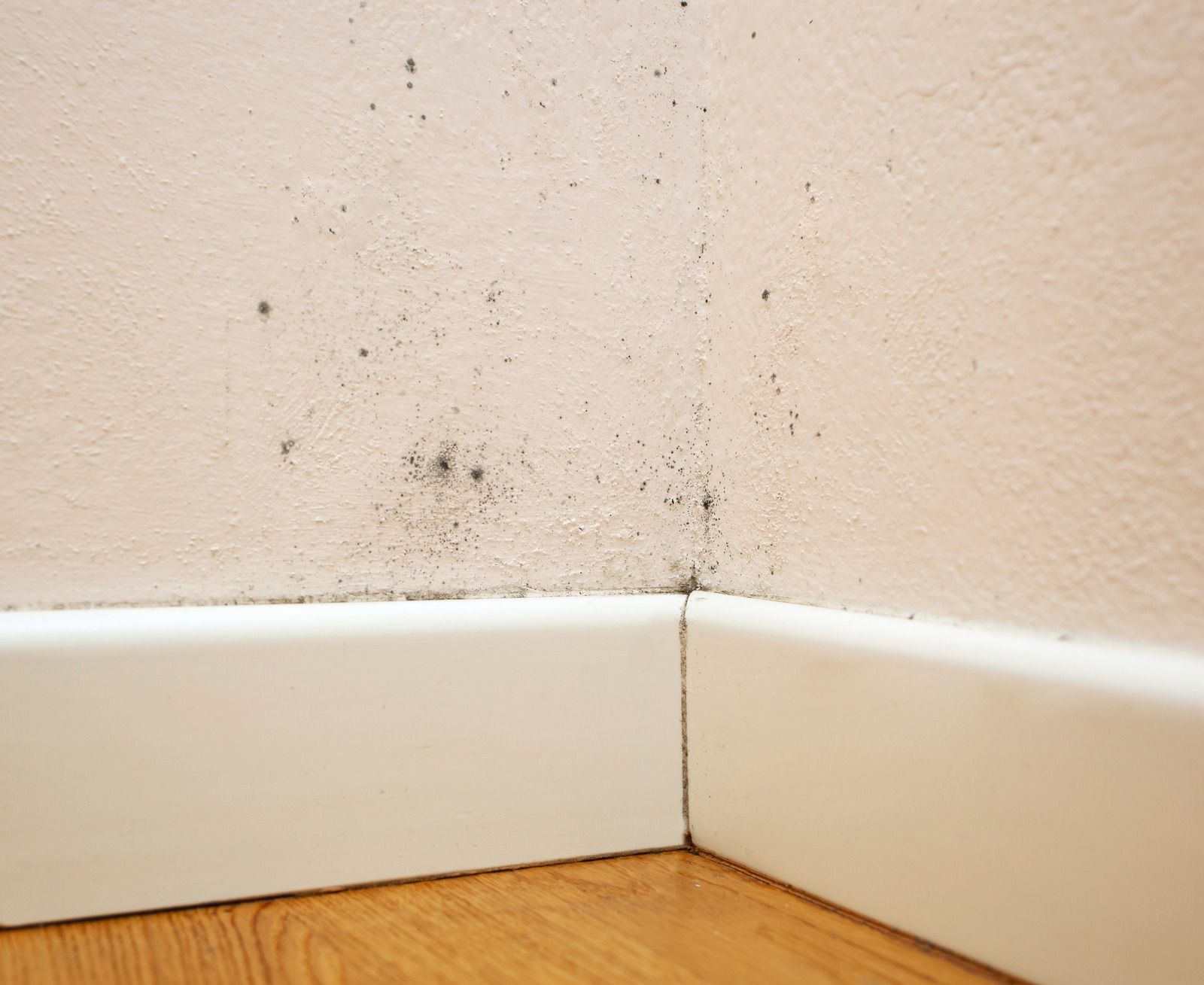
Mold growth often appears as black, green, or gray spots on walls and ceilings, especially in areas exposed to moisture or humidity. It thrives in damp conditions and can spread quickly if not addressed with proper remediation techniques and professional care. Even small patches of mold can indicate a larger hidden problem within the wall that requires immediate attention.
Drywall affected by mold typically requires removal, as mold spores can penetrate deeply into the material and continue growing beneath the surface. Surface cleaning alone is rarely sufficient for long-term resolution and may only provide temporary relief from visible growth.
Health Implications
Mold exposure can lead to respiratory issues, allergies, and other health concerns, especially for individuals with sensitivities or pre-existing conditions. Prolonged exposure may worsen symptoms and affect overall indoor comfort and air quality significantly. Addressing mold-infested drywall promptly is essential for maintaining indoor air quality and occupant safety at all times.
Expert Insight
Professional assessment is often necessary to determine the extent of mold damage and identify hidden areas of contamination within the structure. In many cases, sections of drywall must be replaced entirely to ensure complete removal and prevent recurrence in the future. This approach helps maintain a safe and healthy living or working environment.
4. Dents, Holes, and Surface Damage
Minor Damage vs. Extensive Impact
Drywall is susceptible to dents, dings, and holes from everyday use, especially in active households or busy commercial environments. Small nail holes or minor dents can typically be repaired with patching and sanding using standard repair techniques. However, larger holes caused by impacts or repeated damage may compromise the wall’s integrity and require more extensive solutions.
When damage extends beyond a localized area or affects structural support behind the drywall, replacement becomes a more practical solution than repeated repairs over time. This ensures a stronger and more visually appealing finish that lasts longer.
High-Traffic Areas
Hallways, living rooms, and commercial spaces often experience higher levels of wear and tear due to frequent movement and daily activities. Frequent impacts from furniture, equipment, or daily activity can lead to cumulative damage that weakens the drywall over time. This ongoing stress makes these areas more prone to visible deterioration.
Practical Example
In office environments, repeated installation and removal of fixtures can leave walls riddled with holes and uneven surfaces throughout the space. Instead of a continuous patchwork that may not hold up well over time, replacing sections of drywall provides a cleaner, more durable finish. This approach improves both appearance and functionality.
5. Peeling Paint and Bubbling Surfaces
Signs of Underlying Issues
Peeling paint and bubbling surfaces are often dismissed as simple cosmetic problems that can be fixed with a quick repainting job. However, they frequently indicate deeper issues such as moisture infiltration, poor adhesion, or damaged drywall beneath the surface layers. These signs should always be evaluated carefully.
When paint bubbles or peels, it suggests that the drywall is no longer providing a stable base for proper paint adhesion and finish quality. This can occur due to humidity, water leaks, or improper initial installation practices during construction or renovation.
Long-Term Consequences
Ignoring these signs can lead to progressive deterioration that affects larger portions of the wall over time and increases repair costs. As the drywall weakens, larger sections may begin to separate or crumble, requiring more extensive repairs or complete replacement. Early action prevents these complications.
Preventive Measures
Proper surface preparation, high-quality materials, and adequate ventilation are essential for preventing these issues from occurring in the first place. Regular inspections can also help identify early warning signs before they worsen. When peeling or bubbling is widespread, replacing affected drywall ensures a more reliable and long-lasting solution for the property.
6. Sagging Walls and Ceiling Panels
Structural Warning Signs
Sagging drywall is a serious indicator of underlying problems that should never be ignored in any residential or commercial structure. This can occur in ceilings or walls due to water damage, improper installation, or weakened support structures over time. Sagging panels not only affect aesthetics but also pose safety risks if left unaddressed.
In ceilings, sagging drywall may eventually collapse if not addressed promptly, creating hazardous conditions for occupants and property. This is particularly common in areas with high humidity or previous water exposure that has compromised the material.
Causes and Challenges
Common causes include excessive weight, inadequate fastening, and prolonged moisture exposure that weakens the drywall and its supporting framework. Repairing sagging drywall often involves reinforcing the structure and replacing damaged sections to restore stability. This process requires careful assessment and proper execution.
Expert Drywall Repair Services You Can Rely On